25 November 2026
Early Dementia Care Choices: Is Memory Care or Assisted Living the Better Fit?
Presented by @devincxjp237
Business Name: BeeHive Homes of Henderson
Address: 1000 Greenway Rd, Henderson, NV 89002
Phone: (702) 551-0265
BeeHive Homes of Henderson
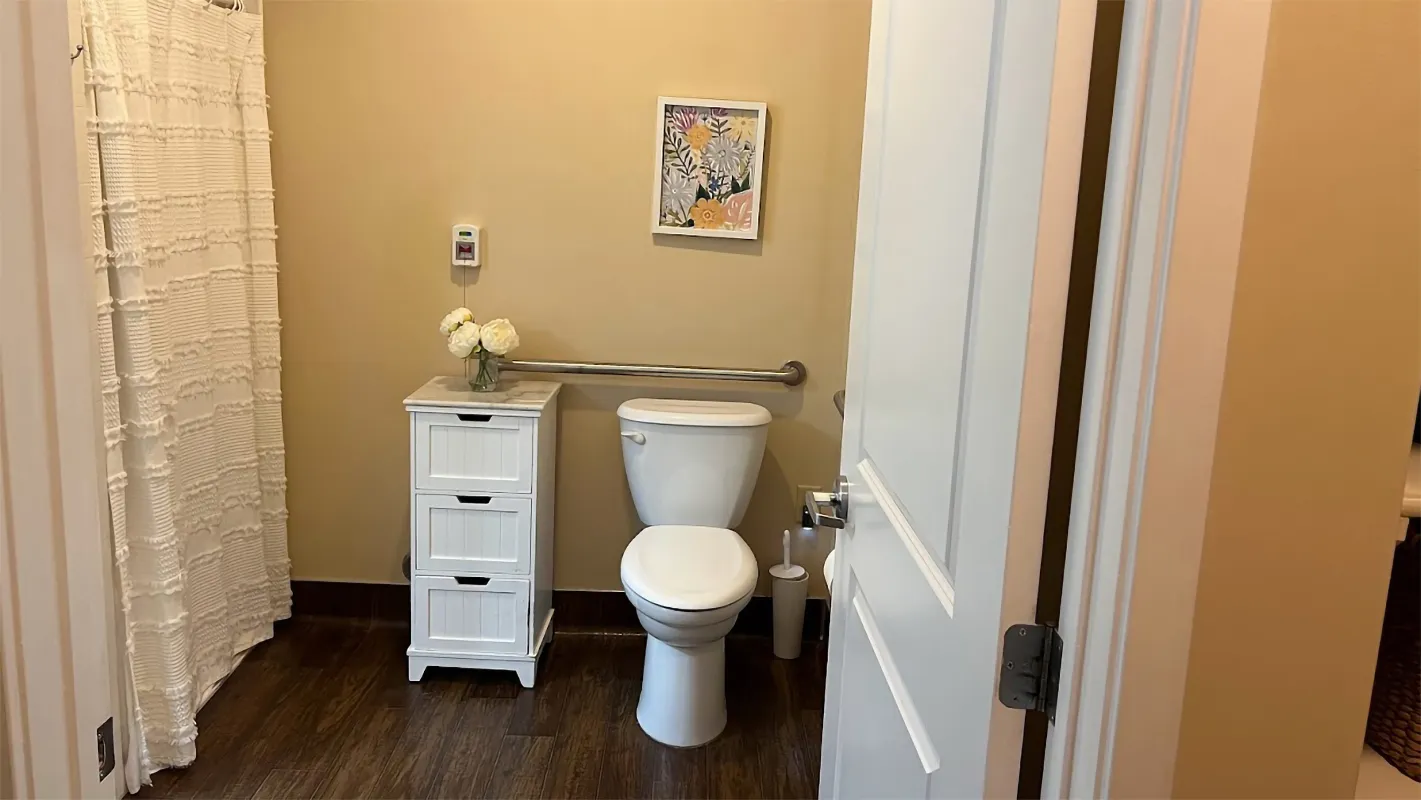
At BeeHive Homes of Henderson, Nevada, we offer the finest assisted living and memory care experience available in a cozy, comfortable homelike setting. Each of our residents has their own spacious room with an ADA approved bathroom and shower. We prepare and serve delicious home-cooked meals three times a day every day. We maintain a small, friendly community of only 20 residents per home. We provide regular activities that our residents find fun and contribute to their health and well-being. Our staff is attentive and caring and provides assistance with daily activities to our residents in a loving and respectful manner. We would like to invite you to tour and experience our memory care & assisted living home and feel the difference.
1000 Greenway Rd, Henderson, NV 89002
Business Hours
Families frequently arrive at the same crossroad: a loved one has gotten an early dementia medical diagnosis and is beginning to lose ground with errands, bills, meals, or medication routines. Everyone can see that living completely alone has actually ended up being risky. The concern that follows is deceptively basic. Should we begin with assisted living, or move directly into a memory care home? The ideal answer depends less on the label and more on your loved one's specific pattern of strengths, risks, and preferences, plus what regional communities really offer behind their brochures.
I have actually walked this decision with hundreds of households. I have actually seen brilliant starts in assisted living that extended self-reliance for several years, and I have enjoyed other homeowners support only after shifting to memory care. The option is part clinical assessment, part household logistics, part gut check about security. There are trade‑offs either way.
What "early dementia" usually looks like
Dementia is an umbrella term explaining progressive cognitive decrease that hinders daily function. Early stages can assisted living near me beehivehomes.com be subtle. Most people still dress and bathe independently and hold a significant discussion, especially in the morning. The cracks typically show in what clinicians call important activities of daily living, the complex jobs that keep a home running.
Patterns I commonly see include unsettled expenses accumulating, repeated online purchases, a refrigerator filled with ended food, missed medication dosages, and circular driving paths after basic errands. Pals might observe social withdrawal or that stories repeat 3 times over lunch. Short‑term memory slips are the headline, but evaluating danger can be harder. I when dealt with a retired engineer who might describe every bolt on a lawn mower, yet might not remember he had already taken his blood thinner. The memory failure mattered because of the medication's stakes.
Early signs vary by type of dementia. Alzheimer's skews to memory and word finding. Vascular dementia looks patchier, with great days and bad days, or weakness on one side after repeated little strokes. Lewy body dementia can introduce visual misperceptions and big swings in awareness, that makes security unpredictable. Frontotemporal dementia can get here with modifications in judgment and impulse control long previously memory stops working, so a highly spoken person may sound fine while making unsafe choices. These nuances affect whether an assisted living setting can offer adequate oversight to prevent injuries and elopement, or whether the structure of memory care is the more secure foundation from the start.
What assisted living actually offers
Strip away the sales language and you will discover that assisted living is designed for people who need aid with some everyday tasks but do not require 24‑hour clinical supervision. Personnel help with bathing, dressing, grooming, toileting, and medication management. Meals are prepared, house cleaning is included, and there are social activities. Many structures have gorgeous typical locations, courtyards, and on‑site salons. Residents typically live in personal houses, lock their own doors, and come and go to group occasions as they choose.
Staffing in assisted living varies. A typical daytime pattern is one caregiver for eight to twelve citizens, with thinner ratios overnight. Nurses are normally not on site all the time, although some larger communities have an LPN or registered nurse throughout business hours, plus on‑call plans. Laws differ commonly by state. Some states enable assisted living to accept locals with moderate cognitive problems or early dementia if they can do so securely, while others require a move to a protected memory care unit at the very first indication of wandering danger. The label does not ensure ability; inquire about actual staffing, training, and resident mix.
From a cost viewpoint, assisted living typically starts with a base monthly rate for room and board, then includes a care fee based upon assessed needs. In numerous markets, base rates fall in the 3,500 to 6,000 dollars vary for a studio or one‑bedroom, with care fees adding 500 to 2,500 dollars depending upon help needed. Medication administration, incontinence supplies, and escorts to meals frequently come as different line items. Read the menu of fees as you would check out an airline's baggage policy, and ask how often reassessments take place. In many structures, care levels are examined every 30, 60, or 90 days.
When assisted living works well for early dementia, it is due to the fact that it provides the best scaffolding without smothering independence. A retired instructor I dealt with moved into assisted living when she began burning pots and skipping meals. With three prepared meals, medication reminders, and an early morning hint to shower, she gained back weight, rejoined a book club, and stayed 5 years, moving only when wandering started after dusk. She knew her neighbors and made her method confidently from her house to the dining room. That familiarity had worth that no checklist can capture.
What memory care adds to the equation
Memory care is created for people coping with dementia, beginning to end. The built environment and everyday routines minimize confusion and reduce risks that assisted living can not reliably control. Think of it as assisted living plus dementia‑specific shows and security.
Most memory care homes are secured. Doors require a code to exit, and there are alarms or sensing units on perimeters. This does not turn the unit into a prison. Locals go outside into protected courtyards, take part in monitored community trips, and preserve a day-to-day rhythm. The objective is to prevent hazardous wandering, a risk that rises once somebody forgets where they were headed or misjudges traffic. Personnel receive specialized training in redirection, recognizing unmet needs that fuel agitation, and cueing methods for bathing and dressing. The activity calendar looks various too. Instead of trivia contests spanning unknown dates, you will see task‑based programs like folding warm towels, baking, gardening, or music that draws on long‑term memory. Montessori‑inspired dementia care, where tasks are simplified and choice‑driven, has actually become more noticeable in well‑run communities.
A strong memory care program pays close attention to sensory load and routine. Lighting follows a constant day‑night pattern to lower sundowning. Passages may include shadow boxes with personal keepsakes outside each room to aid with wayfinding. Dining uses color contrast on plates and table linens to make up for visual‑perceptual changes. Speech is short and concrete. Noise is moderated. Staff ratios are tighter than in assisted living, in some cases one caretaker to 6 or 8 residents during the day, and one to 10 or twelve overnight, though this differs widely. On‑site nursing hours likewise vary; some memory care systems share a nurse with the assisted living building next door.
Memory care costs more. In many regions, households must anticipate 20 to 30 percent above assisted living rates. A fair working variety is 5,000 to 9,000 dollars per month, with greater expenses in coastal metros and lower in rural areas. That increase shows staffing and shows strength, secured style, and higher oversight. Some communities bundle care into a flat memory care rate that consists of medication administration and incontinence assistance. Others still utilize a tiered design. When you tour, ask what activates a fee jump, and what takes place if care requirements surpass what the unit can securely provide. Every neighborhood has a discharge threshold, even if they prevent naming it.
I frequently satisfy households who fret that memory care will feel infantilizing or too limiting for someone in the early stage. This is not ensured. The very best memory care areas construct option into the day, honor adult identities, and withstand the impulse to overassist. I have seen a previous civil engineer continue to manage a communal tool caddy for light tasks, and a retired nurse lead a hydration round. What changes is the safety net, not the person's worth.
Overlap and crucial differences
Both assisted living and memory care provide meals, housekeeping, social engagement, and assist with individual care. The differences show up in what takes place when someone is puzzled or at risk.
Assisted living anticipates more independent navigation. If your mother can dependably discover the dining room, use an elevator, and go back to her apartment or condo, assisted living keeps her in a familiar, apartment‑style circulation. If she gets lost between her door and the lobby, worries when an alarm sounds, or wanders searching for a child who is now a grown adult, that vibrant overwhelms most assisted living floors. Personnel in assisted living are kind and strive, but they are not set up to keep track of exit doors continually, upgrade an activity for somebody who can not follow actions, or pacify late‑day uneasyness with structured sensory input.
Memory care anticipates confusion and prepare for it. Redirection is a core ability, not a periodic courtesy. Exit‑seeking is anticipated, and the structure complies with the plan rather than depending on staff to chase alarms. The daily routine offers clear start and stop cues. When cognition dips in the afternoon, there are shorter, tactile activities and quiet areas that soak up that energy. The entire unit is shaped around dementia care.
Medication security is a strong differentiator. In assisted living, citizens can typically manage their own medications if they show proficiency, though many select personnel administration. In memory care, personnel manage medications as a guideline, which decreases risks of double dosing or skipped pills that destabilize blood pressure, blood sugar, or mood.
Another line is the response to habits that indicate distress. If your father develops paranoia that products are being taken, or he misreads patterns on a carpet as bugs, a memory care team will have training in how to confirm the feeling, minimize triggers, and shift tasks gracefully. Assisted living may ask the family to provide private duty hours to cover the gap, or they might recommend a transfer if the pattern persists.
Where starting in assisted living makes sense
If your loved one has early dementia with excellent insight, no roaming history, and consistent daytime function, assisted living can be a strong first step. Individuals who prosper in assisted living tend to value privacy and the feel of an apartment, prefer a lighter touch from personnel, and delight in a more diverse peer group that consists of residents without cognitive problems. Some couples select assisted living so they can share a basic apartment or condo and routine while just one partner receives aid, particularly when memory care houses in the area are primarily private studios.
Finances can tip the scale too. If the budget is tight and the difference in regular monthly cost would cut years off cost, starting in assisted living and planning for a later move may be practical. A veteran's Aid and Participation benefit can balance out 1,200 to 2,300 dollars monthly, depending on marital status. Medicaid coverage for assisted living and memory care differs by state and program, and many communities keep a restricted variety of Medicaid waiver slots. When funds are limited, ask each structure's director whether locals can transform to Medicaid in place, and if so, for how long the private pay duration need to be first.
I suggest assisted living when a strong family presence includes oversight. If a son or daughter visits 3 times weekly, notifications early modifications, and can act quickly to change the plan, assisted living's lighter supervision becomes less risky.
Where moving directly to memory care is the more secure call
Three patterns steer me to memory care from the start. The first is exit‑seeking or a continual wandering history, even if there was no actual elopement. The 2nd is poor safety judgment combined with confabulation, such as switching on the range and forgetting it is hot, demanding driving after getting lost, or handing out money to complete strangers by phone. The 3rd is behavioral change that needs consistent dementia‑specific methods to prevent escalation, for example late‑day agitation or misinterpreting benign interactions as threats.
Families typically ask whether starting in assisted living could purchase time while preserving self-respect. If any of those patterns are present, you are not trading self-respect for safety by choosing memory care. You are picking a setting where the walls, staffing plan, and daily rhythm meet the person where they are.
Here is a fast filter I share in family meetings.
- Repeated roaming or exit‑seeking in the past 60 days
- Unsafe kitchen area or medication mistakes regardless of prompts
- Getting lost within structures or parking area currently familiar
- Increasing fear, misperceptions, or late‑day agitation
- Limited insight into deficits, coupled with resistance to help
If two or more of these hold true, memory care is generally the better fit.
The couple's dilemma
One of the hardest situations includes couples when only one partner has dementia. Many assisted living communities welcome couples and price the 2nd resident at a minimized rate, adding care fees for the partner who requires aid. Many memory care systems, by contrast, just permit the person with dementia to reside on the protected flooring. A couple of neighborhoods offer companion memory care homes for couples, however not many.
I have seen creative solutions. In one case, a husband with early Alzheimer's transferred to memory look after security, and his better half rented an independent living apartment or condo in the same structure, spending daytime hours with him and going back to her own bed room in the evening. It satisfied both security and marital closeness. In another, a couple started together in assisted living with a clear plan to transition to memory care if he began to exit‑seek. They focused on proximity when exploring and selected a school with both levels of care under one roofing system to minimize interruption later.
What to try to find when you tour
A structure can state it provides dementia care without providing the details that matter. Watch the micro‑interactions. Does a caretaker kneel to greet a resident at eye level, or call across the room? Are people participated in something purposeful, or is the TV carrying the load? Are there clear visual hints for the restroom from the bed? Is the outside area really usable, with a flat loop and shade, or is it a locked box no one enters?
Ask pointed questions. The responses will tell you whether the neighborhood's dementia care is a program or a paragraph in a brochure.
- How does staff manage exit‑seeking without physical restraint?
- What is the normal daytime and overnight staffing on the unit?
- What sets off a transfer to a greater level of care or hospital?
- How are medications handled, and who reviews psychotropics?
- Can we do a short respite stay before signing a longer lease?
If the director can not respond to, ask to speak with the nurse or memory care planner. Transparency today avoids a scramble later.
Money, contracts, and the great print
Care expenses rarely relocate a straight line. Expect reassessments. If your mother starts requiring two people to assist with transfers, or she becomes incontinent, the cost will increase. If she supports, charges hardly ever go back down, though it is worth asking. Focus on move‑in fees, neighborhood costs, and whether the structure uses a third‑party pharmacy that includes shipment charges. Arbitration stipulations appear in lots of residency arrangements. If you are uncomfortable with them, ask whether they are optional; in some states they are.
Respite stays can be a wise way to test the fit. A 14 to thirty days trial lets you see how your father performs in memory care without committing to a year‑long lease. Demand a written prepare for how staff will approach his recognized triggers and choices. If the respite goes well, you gain self-confidence. If it does not, you still have your choices open.
Long term care insurance can pay for either assisted living or memory care once the policy's criteria are met, normally needing assist with 2 or more activities of daily living or having a cognitive disability that requires guidance. Start the claim documents early. Advantages frequently begin after an elimination duration of 30 to 90 days.
How timing impacts outcomes
Moving too late can produce a steep, demanding transition. A person who has already fallen twice or been discovered outside in winter season without a coat is arriving with momentum you will have to intercept. The very first 2 weeks in a brand-new setting are by meaning disorienting. Include relocation stress to middle phase dementia, and you may see short-lived worsening in habits or confusion. That does not mean the relocation was incorrect, however it implies you need to not wait on a crisis to decide. I encourage families to tour while the person with dementia can still walk the halls, fulfill personnel, and absorb a few of the new layout. Familiarity, even if partial, assists later.
On the other hand, moving too early can backfire. A passionate walker who grows on long, unsupervised loops around a community may feel penned in by a secured yard, even a great one. If insight is still strong and roaming has not emerged, beginning in assisted living and revisiting the strategy every 3 to six months may make the most of lifestyle. There is no universal rule; your loved one's character and history matter.
Edge cases that need special judgment
Young start dementia alters the calculus. A 58‑year‑old with frontal behavioral changes will not mix well in a memory care unit designed around 80‑plus residents. Search for communities with experience in more youthful citizens, more physical activity, and personnel comfy with disinhibition and pacing.
Bilingual or bicultural citizens are worthy of attention to language and food. Confusion magnifies when the surrounding language is not the one somebody defaulted to in youth. If the only Spanish spoken in the building is at the reception desk, that will not be enough.
Rural markets can present thin options. I have assisted households who drove 45 minutes to the nearest memory care and chose assisted living locally since they could visit every day. The extra existence compensated for the setting. When you decide between perfect however far and sufficient however near, consider who will show up on Tuesday afternoon in February. Support you can sustain beats a strategy you will abandon.
How to prepare the individual and the team
Pack the space like you are developing a memory map. Familiar armchair by the window, favorite quilt on the bed, household images in consistent locations. Label drawers with words and images. Bring a small basket of tactile tasks that fit your individual's history: playing cards for a former poker host, large‑piece puzzles for a hobbyist, a tidy box of nuts and bolts for a mechanic. Supply a written life story to the personnel. Two pages are enough. Consist of labels, former careers, foods loved and hated, music that relaxes, and subjects to avoid. Great dementia care is individual care.
Stay throughout the first meals if the community invites it. View where your loved one naturally sits and whether staff cue hydration. Bring a trusted regimen from home. A short afternoon walk, a prayer before supper, or the same tune at bedtime can anchor the day. If there is a bump, withstand the reflex to end in 48 hours. Deal with the group. Ask for a concrete strategy to resolve the specific friction point. When families and personnel share observations and fine-tune methods, the very first tough week frequently settles.
Putting the pieces together
Families desire a conclusive answer to the title concern, but the much better objective is a clear decision structure. If threats are contained with predictable triggers, and your loved one can browse a structure securely, assisted living preserves autonomy and typically costs less. If confusion is already producing wandering, safety judgment is compromised, or behavior requires specialized methods, a memory care home offers structure that safeguards dignity by preventing repeated failures.
There is room for creativity. Co‑located schools allow a stepwise move as requirements grow. Respite stays let you test without long commitments. Private duty aides can overlay assistance in assisted living to bridge a hard spot, however at a cost. None of these choices lock you in permanently. Dementia care is iterative. You will review the strategy as the disease and the person change.
The households I have seen fare best accept two facts at once. First, the ideal environment can stabilize function and joy for months or years. Second, dementia continues to advance no matter how great the care is. Your job is not to chase an ideal setting, but to match the setting to the individual you like at this point in time, with eyes available to what comes next. When you approach it that way, the labels matter less. Security, engagement, and respect lead you to the right door.
BeeHive Homes of Henderson provides assisted living care
BeeHive Homes of Henderson provides memory care services
BeeHive Homes of Henderson provides respite care services
BeeHive Homes of Henderson supports assistance with bathing and grooming
BeeHive Homes of Henderson offers private bedrooms with private bathrooms
BeeHive Homes of Henderson provides medication monitoring and documentation
BeeHive Homes of Henderson serves dietitian-approved meals
BeeHive Homes of Henderson provides housekeeping services
BeeHive Homes of Henderson provides laundry services
BeeHive Homes of Henderson offers community dining and social engagement activities
BeeHive Homes of Henderson features life enrichment activities
BeeHive Homes of Henderson supports personal care assistance during meals and daily routines
BeeHive Homes of Henderson promotes frequent physical and mental exercise opportunities
BeeHive Homes of Henderson provides a home-like residential environment
BeeHive Homes of Henderson creates customized care plans as residents’ needs change
BeeHive Homes of Henderson assesses individual resident care needs
BeeHive Homes of Henderson accepts private pay and long-term care insurance
BeeHive Homes of Henderson assists qualified veterans with Aid and Attendance benefits
BeeHive Homes of Henderson encourages meaningful resident-to-staff relationships
BeeHive Homes of Henderson delivers compassionate, attentive senior care focused on dignity and comfort
BeeHive Homes of Henderson has a phone number of (702) 551-0265
BeeHive Homes of Henderson has an address of 1000 Greenway Rd, Henderson, NV 89002
BeeHive Homes of Henderson has a website https://beehivehomes.com/locations/henderson/
BeeHive Homes of Henderson has Google Maps listing https://maps.app.goo.gl/qpZ3TKgbxCu1MVSh8
BeeHive Homes of Henderson has Instagram page https://www.instagram.com/beehivehomeshenderson/
BeeHive Homes of Henderson has an YouTube page https://www.youtube.com/@hamiltonshives4468
BeeHive Homes of Henderson won Top Assisted Living Homes 2025
BeeHive Homes of Henderson earned Best Customer Service Award 2024
BeeHive Homes of Henderson placed 1st for Senior Living Communities 2025
People Also Ask about BeeHive Homes of Henderson
What is BeeHive Homes of Henderson Living monthly room rate?
Our base rate is $4,700 per month for assisted living and $5,700 per month for memory care plus a one-time community fee of $2,500. We do an assessment of each resident's needs prior to move-in, so each resident's rate may be higher. These prices fall into three tiers based on resident needs and range from $4,700/month to $7,300/month. However, after we do the assessment and quote a price, there are no add-ons or hidden fees
Does Medicare and Medicaid pay for a stay at Bee Hive Homes?
Medicare pays for hospital and nursing home stays, but does not pay for assisted living. Some assisted living facilities are Medicaid providers but we are not. We do accept private pay, long-term care insurance, and we can assist qualified Veterans with approval for the Aid and Attendance program
Do we have a nurse on staff?
We do have a nurse on contract who is available as a resource to our staff but our residents' needs do not require a nurse on-site. We always have trained caregivers in the home and awake around the clock
What can you tell me about the food at Bee Hive?
You have to smell it and taste it to believe it! We use dietitian-approved meals with alternates available for flexibility, and we can accommodate needs for different textures and therapeutic diets. We have found that most physicians are happy to relax diet restrictions without any negative effect on our residents
Do we allow pets?
We do allow small pets as long as the resident is able to care for them. State regulations also require that we have evidence of current immunizations for any required shots
Where is BeeHive Homes of Henderson located?
BeeHive Homes of Henderson is conveniently located at 1000 Greenway Rd, Henderson, NV 89002. You can easily find directions on Google Maps or call at (702) 551-0265 Monday through Sunday 9:00am to 5:00pm
How can I contact BeeHive Homes of Henderson?
You can contact BeeHive Homes of Henderson by phone at: (702) 551-0265, visit their website at https://beehivehomes.com/locations/henderson/ or connect on social media via Instagram or Facebook
Conveniently located near BeeHive Homes of Henderson Cinemark a great movie theater with full food & drink menu. Catch a movie and enjoy some great food while you wait.